
The Risky Side of Learning (And Re-Learning) That We Don't Talk About Enough
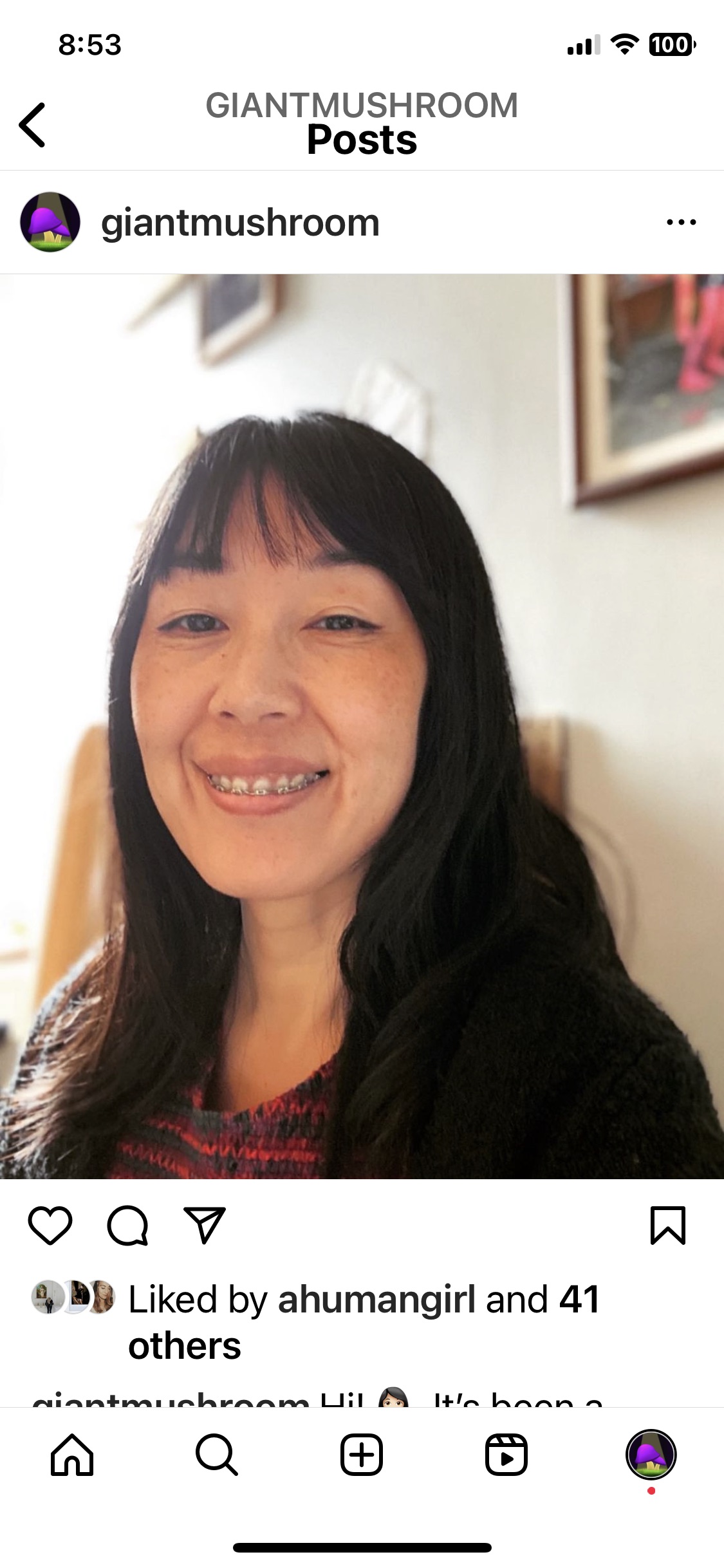

Recently, I started playing the keyboard again. After 30+ years.
I was very young when I started taking piano lessons. It’s a rite of passage for many children from Asian families. I remember when I was little my piano teacher used to bribe me with candy because I would fall asleep on the piano bench during lessons. Anyway, I took lessons for several years into my pre-teen years.
As a teen, I played with friends who also played musical instruments. I wrote music on my own and collaborated with others. I joined bands and we would perform locally. Though I had forgotten a lot of music theory by then, I enjoyed composing music and performing.
I remember when I stepped away from playing music, about 30 years ago. After that, it was like I had a mental block about it and anytime people asked me whether I would play again I was always adamant that I wouldn’t. I said things like, “I’m not a real musician.” I felt total imposter syndrome when I hung around real musicians who asked me why I no longer played. I compared myself to them before they even said a word.
So it was a big surprise to me that I would resume playing again after all these years. Part of this was thanks to proximity. My partner, who is a real musician, was preparing for a show and asked me to learn the keys for a few songs as a backup because they were still sorting out a keyboardist. So I did that as a favor to him. However, I started to enjoy the process and started playing more with him and on my own.
For years, I lamented that I had lost this part of me that felt so inspiring, creative, and which reminded me of my youth where I took more risks and dared to try. This is the side of learning that we don’t talk about enough.
Learning or re-learning is inherently risky. If we are not willing to struggle, look foolish, and look like a beginner then we can’t earn the feeling of accomplishment and satisfaction that comes from persistent, hard work. I see this in children, too. Some of them go right to “I can’t” before they even try.
This is why I always say I am an encourager. I want to foster children’s sense of self-efficacy so that they are more willing to try and take a risk in learning.
Self-efficacy has 4 components (Bandura, 1977):
Mastery Experiences: This is why scaffolding is so important so we break learning down into smaller, more manageable steps. This way, children can experience and build on small successes.
Vicarious Experiences (social modeling): Modeling is such a powerful teaching tool. At home, my partner models playing music without concern for mistakes along the way. He just keeps playing and improves with repetition. Watching his process has allowed me to give myself more grace as I stumble over the keys. In school or at home, adults can model how to do something as well as model their approach to learning. For me, this includes narrating what I’m doing as I do it, and also narrating my thought process to make thinking visible, as in, “This is not working… I wonder what else I can try?”
Verbal Persuasion (social persuasion): Learners need to hear encouragement. Not empty cheerleading, but specific notes about their effort and approach to learning and problem solving. This is why I would foster collaboration over competition and set the tone that we help each other learn. This is why I would also avoid comparing children because it isn’t fair nor is it motivating, at least, I wouldn’t be motivated to improve in that case.
Physiological & Emotional State: I know I can’t pour from an empty cup. And I know I am more confident and more persistent when I am feeling well, connected, and rested. So it is imperative that we help children to prioritize their wellness also. In early childhood, we start teaching about feelings and how to cope with stress, but many classrooms amplify rather than reduce stress. So we must do more than just yoga and mindfulness to improve how children feel. Environmental design is so important, and so is pacing and how the school day is structured. A multi-pronged approach is necessary to design learning with human well-being in mind.
I have a lot more to say about my own re-learning journey but that will be for another time. For example, I’ve been reflecting on my preferred approach to play, not as a bystander, but as the player. And it is surfacing some uncomfortable realizations, like I am still a perfectionist no matter how loudly I preach about being okay with mistakes because they help us learn. For now, I leave you with this, a poem I wrote about returning to playing the keyboard:
Relearning keys.
Learning a song.
Tripping over the triplets.
Staccato or legato?
Fingers stumble.
Repetition.
Again. Again. Again. Again.
Muscles ache.
Overthinking the hard parts.
Sweaty palms that I
Wipe on pants.
Heart beating fast!
Keep going. Keep practicing.
Mistakes happen—keep going.
Try to have fun.
Bopping along.
Don’t think—do. Feel.
Sway.
Fingers in sync.
Swing.
Reference:
Bandura, A. (1977). Self-efficacy: The exercise of control (1st ed.). W. H. Freeman and Company.


Comments